The Spotlight Effect: Why You Feel Watched When No One Is Looking
You walk into a room sure everyone noticed the stain, the stumble, the shaky voice. Most of them did not. The research on why it feels like a goldfish bowl.
You walk into a cafe on Lygon Street and realise, halfway to the counter, that there is coffee down the front of your shirt. For the next twenty minutes it is all you can think about. You hold your cup at an odd angle. You are sure the barista saw. You are fairly sure the couple by the window saw too.
They did not. Or if they did, they had forgotten it before you sat down.
This is one of the most reliable quirks in human psychology, and it has a name: the spotlight effect.
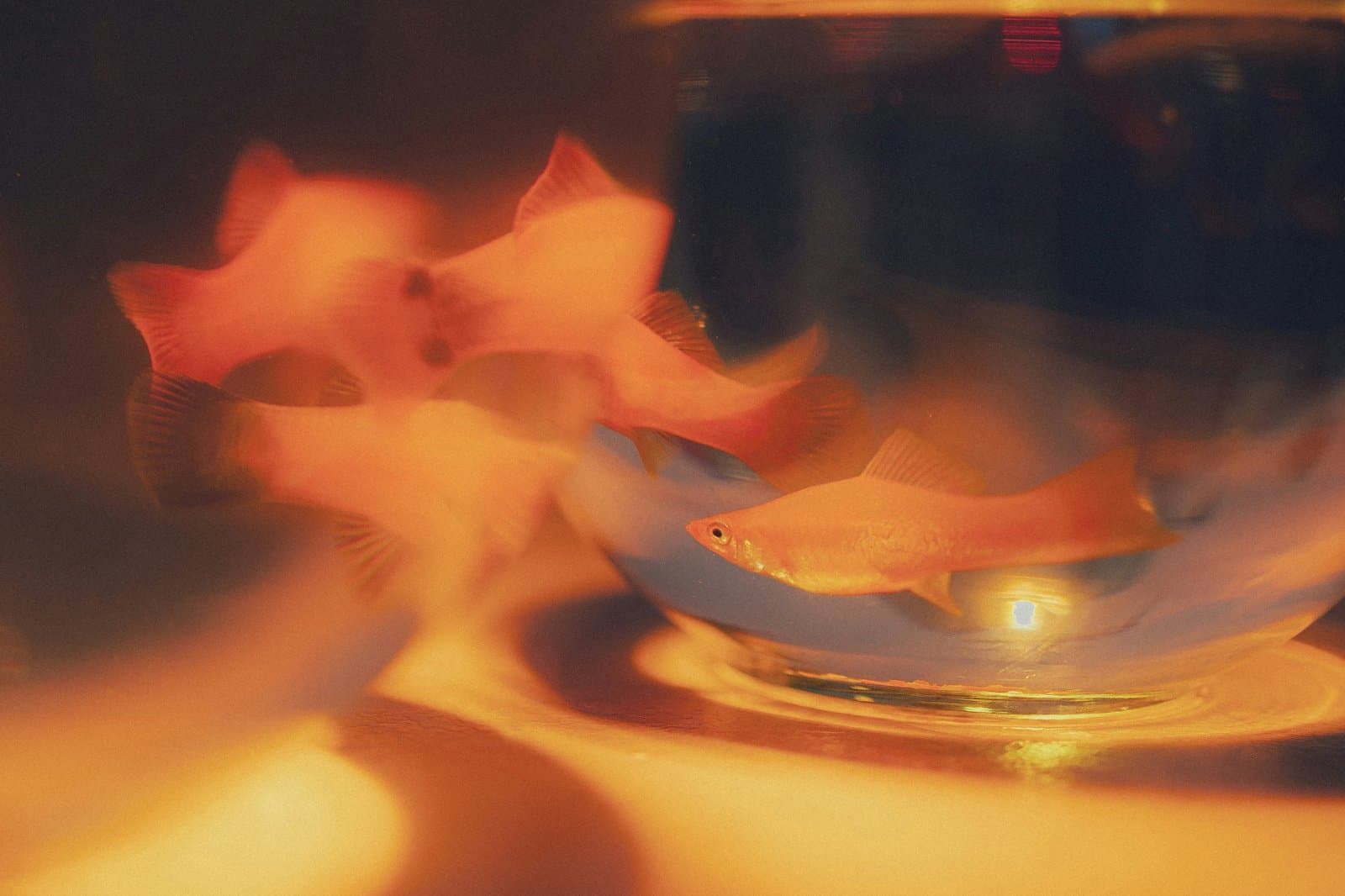
The Feeling of Living in a Goldfish Bowl
The spotlight effect is the sense that other people notice your appearance, your mistakes and your nerves far more than they actually do. It feels as if a light follows you around the room. Every awkward pause, every bad hair day, every word you stumbled on seems to be on display.
It is not vanity. Most people who feel it most strongly are not imagining others admiring them. They are bracing to be judged.
You are the main character in your own life. Everyone else is busy being the main character in theirs.
The T-Shirt Experiment
In 2000, the psychologist Thomas Gilovich and his colleagues at Cornell University ran a study that has become a small classic. They asked students to put on a T-shirt with a large picture of a famously uncool singer on the front, then walk into a room where other students were filling out questionnaires.
Afterwards, the T-shirt wearers were asked how many people in the room had noticed. They guessed about half. In reality, only around a quarter could recall the shirt at all.
The team found the same pattern in other settings. People in group discussions overestimated how much others had noticed both their good contributions and their blunders. Whatever they had done, they assumed it had landed much harder in other minds than it did.
Why It Happens
Your own experience is the loudest thing in your world. You know about the stain. You felt your voice wobble. You replayed the comment you wish you had not made. Because it is vivid to you, your brain uses that vividness as a starting point for guessing what others saw, and then does not adjust nearly enough.
Meanwhile, everyone else is doing exactly the same thing. They are thinking about their own shirt, their own meeting, their own reply that sounded wrong. There is only so much attention to go around, and most of it is pointed inward.
A close cousin is what researchers call the illusion of transparency: the belief that your inner state is written on your face. People giving a speech often feel sure their nerves are obvious. Audiences, asked afterwards, usually rate them as far calmer than they felt.
When the Spotlight Gets Too Bright
For most people the spotlight effect is an occasional cringe. For some, it becomes a constant companion. In social anxiety, attention turns sharply inward during conversations. People monitor how they look and sound, and often picture themselves as if from the outside, through the eyes of a critical observer.
The psychologist David Clark, whose model of social anxiety shapes much of how it is treated, described how that inward focus backfires. It makes you feel more awkward, it pulls attention away from the actual conversation, and it hides the evidence that would tell you things are going fine. You cannot see the friendly face across the table if you are busy watching yourself.
If this sounds familiar, it can help to know that the thoughts feeding it are often loud rather than true, much like the intrusive thoughts described in ego-dystonic thinking.
What Actually Helps
- Name it in the moment. Telling yourself, this is the spotlight effect, people are noticing far less than I think, takes some of the heat out of it
- Turn your attention outward. Notice the other person's face, the room, what is actually being said. Attention spent outside yourself is attention not spent on the spotlight
- Run a small check. Ask yourself what you noticed about the people around you an hour ago. Usually very little. That is roughly how much they noticed about you
- Remember the speech finding. In one study, simply telling nervous speakers that their nerves were less visible than they felt helped them relax and come across better
- Picture it from a friend's side. You would barely remember a stain on a friend's shirt. It can help to look at yourself with the same distance, as in why your advice works for everyone but you
Try it now · 30 seconds
Think of one moment this week when you felt everyone was watching you. Now try to recall one specific detail about someone else in that room: their shoes, what they ordered, a word they said. Notice how hard it is to remember. That gap is the spotlight effect.
A Realistic Expectation
Knowing about the spotlight effect will not stop you from noticing the stain. Self-consciousness is part of being a social animal, and some situations will always make you feel exposed.
What tends to change is how long it lasts and how much it steers you. People often find they hold back less in meetings, worry less about how they look on a call, and recover faster after an awkward moment, because they know the audience is far smaller than it feels.
If the sense of being watched is constant, or it is keeping you out of conversations, jobs or friendships you want, that is worth support. Anxiety counselling in Melbourne or online can help you turn the light back down.
The Short Answer
The spotlight effect is the sense that others notice you far more than they do. It happens because your own experience is so vivid that you overestimate how visible it is. In studies, people guessed twice as many others had noticed them as really did. Most people are too busy with their own spotlight to look at yours.
None of this is a diagnosis, and it is not a substitute for individual assessment. If feeling watched is shaping how you live, counselling can help. Stabilise is available in Carlton, Melbourne and online.
Free resources
Two free guides. Spot the signs of nervous system dysregulation, and settle your body in under 90 seconds.
Work with Leah
If this resonated, a short conversation is the next step. No obligation, just a chance to see if working together feels right.
More writing